Key Takeaways:
- Preventing hair breakage requires replacing common misconceptions—such as daily washing causing damage or products permanently curing split ends—with gentle mechanical habits.
- Rebuilding weakened hair fibers and maintaining length requires avoiding harsh sulfates that strip moisture and choosing formulas that reinforce the hair cortex.
- Both virgin and color-treated hair require protection from heat and UV rays, and cold water rinses cannot replace the structural benefits of pH-balanced care.
Myth vs. Fact: Debunking Common Hair Breakage Beliefs
Let's address common myths about hair breakage with facts.
Myth 1: Daily washing causes hair breakage.
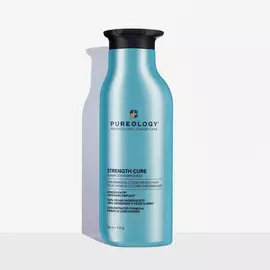
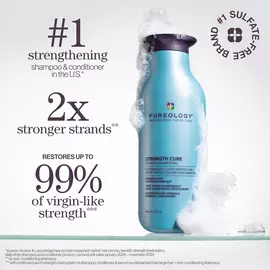
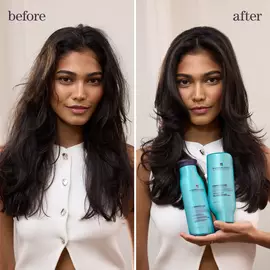
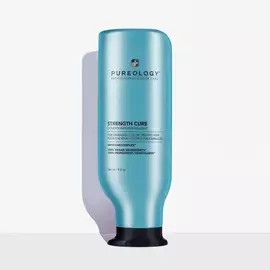
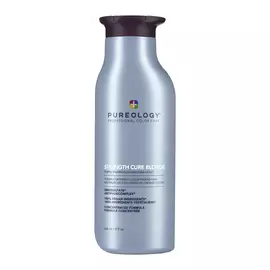
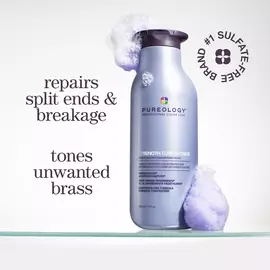
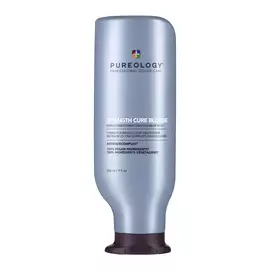
Fact: Washing daily does not cause breakage if you use a professional, sulfate-free shampoo. In fact, infrequent washing allows dirt, environmental pollutants, and styling products to accumulate on the hair shaft, leading to severe tangling and subsequent mechanical breakage during detangling. Using a gentle, ZeroSulfate® formula cleanses the scalp and hair while maintaining the essential moisture barrier that keeps strands flexible and resilient. A great shampoo to prevent future breakage is Strength Cure Shampoo. This luxuriously lightweight shampoo shields hair against future breakage while sealing in vibrant color, making it the perfect foundation for a repairing hair routine that leaves hair feeling nourished and thriving.
Myth 2: Brushing your hair 100 strokes a day keeps it healthy.
Fact: Excessive brushing creates mechanical friction that physically scrapes the outer cuticle layer, leading to split ends and snapping. While brushing distributes natural oils from the scalp down the hair shaft, you should only brush your hair to detangle it. Always use a wide-tooth comb or a flexible-bristle brush, starting from the ends and working your way up to the roots to minimize tension.
Myth 3: Regular trims make your hair grow faster.
Fact: Hair growth occurs exclusively at the follicle level on the scalp, meaning cutting the ends has no biological impact on how fast your hair grows. However, regular trims are vital for maintaining length because they remove split ends before they can split further up the hair shaft. If left untrimmed, a split end will eventually cause the entire strand to snap, reducing your hair's overall density and making it appear shorter.
Myth 4: All hair ties affect your hair the same way.
Fact: Standard elastic bands, especially those with metal clasps, create concentrated pressure points that weaken the hair shaft and cause localized breakage. When you repeatedly tie your hair in the same spot with these bands, the friction wears down the cuticle. Switching to silk scrunchies, spiral plastic ties, or fabric-wrapped elastics distributes tension evenly and allows the hair to glide smoothly without snagging.
Myth 5: Split ends can be permanently repaired with the right product.
Fact: Once a hair strand splits, it is physically fractured and cannot be permanently fused back together. High-performance leave-in treatments and serums can temporarily seal the cuticle to improve the hair's appearance and prevent the split from worsening immediately, such as Strength Cure Dream Healer Serum. This leave-in treatment penetrates deep to deliver 7x stronger hair, while instantly sealing split ends for a smooth, polished finish. The only permanent solution to eliminate split ends is to cut them off with professional shears.
Myth 6: Only chemically treated or bleached hair experiences breakage.
Fact: Virgin hair is highly susceptible to breakage from daily environmental exposure, heat styling, and mechanical stress. While chemical processing like bleaching permanently alters and weakens the internal protein bonds of the hair, daily habits like rough towel-drying, flat-ironing without heat protectant, and exposure to dry wind or UV rays can degrade untreated hair over time, making it dry and brittle.
Myth 7: Air-drying is always safer and better than blow-drying.
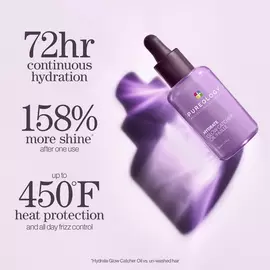
Fact: Leaving your hair wet for extended periods can actually cause more structural damage than gentle blow-drying. When hair is wet, the cortex swells with water, stretching the delicate outer cuticle and placing the hair in its most fragile state (known as hygral fatigue). To prevent this prolonged swelling, apply a heat protectant such as Smooth Gloss Silkmorphose™ Spray and blow-dry your hair on a low-to-medium heat setting to quickly return the hair to its dry, stable state. This ultra-lightweight, heat-activated, humidity-resistant hair mist instantly adds shine and controls frizz while providing up to 450°F heat protection.
Myth 8: Cold water rinses seal the hair cuticle to prevent breakage.
Fact: Water temperature does not open or close the hair cuticle, as the cuticle does not contain nerves or muscles to react to temperature changes. While cold water can help lay the cuticle slightly flatter by not stripping away natural lipids as quickly as hot water, it cannot repair or seal damaged hair. Cuticle smoothness and strength are achieved through proper pH-balanced conditioning agents and targeted hair care products, not cold water.
Preventing hair breakage requires replacing common myths with science-backed habits. By minimizing mechanical stress, scheduling regular trims, and using professional, 100% Vegan formulas, you can protect your hair's structural integrity. Opting for targeted, sulfate-free systems that repair weak bonds from within ensures your color-treated hair remains resilient, soft, and shielded from future damage.
FREQUENTLY ASKED QUESTIONS
Can hair breakage be completely reversed?
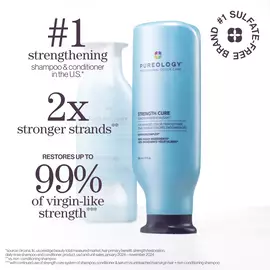
Existing breakage, like split ends, cannot be truly reversed and requires a trim. However, the hair shaft can be significantly repaired and strengthened to prevent new breakage. Products like Pureology Strength Cure reinforce hair's structure, making it more resilient.
How often should I use a strengthening treatment?
For damaged hair, use a strengthening mask or treatment 1-2 times per week. Adjust frequency based on your hair's needs.
Does washing your hair every day cause breakage?
No. Washing daily only causes damage if you use harsh, sulfate-based shampoos that strip moisture. Pureology’s ZeroSulfate® formulas cleanse the scalp while maintaining the hair's natural moisture barrier to prevent dryness and snapping.
Why is a sulfate-free shampoo important for damaged hair?
Sulfates are harsh detergents. They strip natural oils and color, further weakening compromised strands. Sulfate-free shampoos, like Pureology's ZeroSulfate formulas, cleanse gently. This preserves moisture and color, crucial for repair and strengthening.