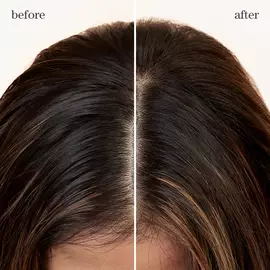
Key Takeaways:
- Shedding vs. Breakage: Breakage is structural snapping along the hair shaft, whereas shedding is a natural part of the hair growth cycle where the hair falls out completely from the root.
- Balance is Key: Treating breakage requires balancing protein (to reinforce internal disulfide bonds) and moisture (to restore elasticity).
- Type-Specific Care: Hair types require customized approaches—lightweight formulas like Color Fanatic for fine hair, rich hydration for curly hair, and moisture-sealing systems (like LCO/LOC) for coily textures.
Shedding vs. Hair Breakage
Before you invest in a hair breakage treatment, confirm that breakage is actually the problem. Many people confuse breakage with natural shedding, but they require entirely different solutions.
- Shedding: This is a natural process. Shed hairs will have a tiny white bulb at the root end, indicating the hair fell out from the scalp naturally to make room for new growth.
- Breakage: These strands are shorter than your full hair length and do not have a white bulb at the end. The ends may look frayed, split, or tapered. If you see short, broken pieces on your pillow, floor, or shirt collar, this is breakage.
| Feature | Shedding | Hair Breakage |
|---|---|---|
| Nature of the process | Natural part of the hair growth cycle | Sign of structural distress; hair shaft compromised |
| Appearance (root end) | Tiny white bulb at the root end | No white bulb at the end |
| Appearance (length/ends) | Full hair length; indicates hair fell from scalp | Shorter than full hair length; ends may look frayed, split, or tapered |
| Indication | Hair naturally fell out to make room for new growth | Hair shaft has been compromised to the point of snapping |
Other Signs Your Hair Is Breaking:
- Frizzy, Dull Hair: Hair that lacks shine and appears frizzy is often a sign of cuticle damage and snapping.
- Ragged, Thinning Ends: Split ends and thinning hair at the tips indicate cumulative breakage.
- Uneven Strand Lengths: If your hair has highly varying lengths, it is likely due to uneven breakage.
- The Elasticity Test: Take a single strand of wet hair and gently pull. Healthy hair stretches and returns to shape. If it snaps instantly, your hair lacks protein and moisture, making it highly vulnerable.
- Stalled Growth: If your hair seems to stop growing at a certain length despite months of patience, it is likely breaking off at the ends as fast as it grows from the roots.
What Causes Hair Breakage? The Science of the Snap
At a microscopic level, your hair’s strength relies on disulfide bonds (also known as cysteine bonds). These act like the rungs of a ladder, holding your hair's protein structure together. When these rungs break, the hair loses its structural integrity.
Understanding the root cause is half the battle in learning how to strengthen hair. Most damage falls into four distinct categories:
1. Chemical Damage
This is often the most severe form of damage. Processes like bleaching, permanent dyeing, relaxing, and perming work by forcibly lifting the protective cuticle to alter the inner cortex.
- Bleaching: Oxidizes the melanin in the hair but also breaks disulfide bonds, stripping structural integrity.
- Hair Color: Even without bleach, ammonia-based dyes swell the cuticle to deposit color, making the hair highly porous over time.
- Relaxers and Perms: These forcibly break the disulfide bonds to reshape the hair. If done too frequently or left on too long, the hair loses its structural integrity entirely.
2. Thermal Heat Damage
Hot tools are a primary culprit for broken hair when used incorrectly.
- Boiling from the Inside ("Bubble Hair"): When you apply a straightener or curler to damp hair, the water trapped inside the hair shaft literally boils and expands, exploding the hair structure from the inside out.
- Protein Denaturation: High heat (above 400°F) denatures the keratin proteins in hair, making them hard and brittle rather than soft and elastic. Once keratin hardens, the hair loses its flexibility and snaps under tension.
3. Mechanical Damage
This refers to physical wear and tear caused by handling.
- Aggressive Detangling: Ripping through wet hair (when it is most fragile and stretchy) with a fine-tooth comb stretches strands past their breaking point.
- Tight Hairstyles: High ponytails, tight braids, or heavy extensions create constant tension at the root and along the shaft (which can lead to traction alopecia).
- Friction: Sleeping on rough cotton pillowcases or rubbing hair vigorously with a terry cloth towel roughens the cuticle.
4. Environmental & Lifestyle Factors
- UV Exposure: The sun's rays degrade the protein structure of hair just as they damage skin.
- Hard Water: Mineral buildup (calcium and magnesium) from tap water coats the hair, making it brittle and blocking moisture from penetrating.
- Poor Diet: A lack of essential nutrients—specifically a deficiency in biotin, iron, and vitamin D—can weaken hair from the inside, making it more susceptible to breakage.
Does Coloring Cause Breakage? The Truth for Color-Treated Hair
A common misconception is that the coloring process itself is the sole cause of hair breakage. In reality, it is the post-color maintenance, or lack thereof, that typically leads to snapping.
While professional chemical processing does temporarily open the hair’s cuticle to deposit pigment, modern salon formulas are designed to preserve the hair's integrity. The risk of breakage arises when the hair is not properly re-sealed with a strengthening routine. Without the right balance of protein and moisture, the cuticle remains slightly lifted, leaving the internal cysteine bonds vulnerable to daily wear and tear.
The Foundations of Hair Breakage Treatment
To arrest breakage, you must build a repair routine based on a delicate balance between two elements:
- Protein (Strength): Fills in the physical gaps in the cuticle and reinforces the inner cortex. If your hair feels mushy, gummy, or stretches too much before snapping, it needs protein to rebuild its structure.
- Moisture (Hydration): Restores elasticity and softness so your hair can bend without breaking. If your hair feels like straw, is hard, or snaps instantly under the slightest tension, it needs intense moisture.
10 Quick Tips to Stop Hair Breakage Fast
While a dedicated routine is the foundation of repair, your daily handling techniques determine how effectively those results are preserved:
- Use a Reparative Hair Mask: Swap your regular conditioner for a mask once a week. Look for masks with ingredients like olive oil (rich in fatty acids for shine and softness) and antioxidant-rich goji berries to protect from free radicals, along with amino acids and proteins.
- Anti-Friction Sleep: Switch to a high-grade silk or satin pillowcase and silk/satin hair ties to minimize mechanical snagging.
- Low-Manipulation Detangling: Always start detangling at your ends and work upward in sections using a wide-tooth comb or specialized detangling brush on damp hair.
- Thermal Discipline & Heat Protectant: Lower tool temperatures to 300°F–350°F. Always apply a heat protectant spray up to 450°F before styling, and ensure hair is 100% dry before using a flat iron or curling wand.
- Micro-Trimming: Schedule regular trims every 6–8 weeks to remove split ends before they travel further up the hair shaft.
- Avoid Over-Washing: Washing too frequently strips natural oils. Aim to wash your hair 2–3 times a week.
- Scalp-First Foundation: Perform manual scalp massages during cleansing to stimulate circulation.
- Barrier & Cuticle Sealing: Apply a leave-in sealant after every wash to shield the inner cortex from environmental stress.
- Pre-Wash Protection (Hair Oiling): Apply a lightweight oil to your mid-lengths and ends 10 minutes before showering to create a protective buffer during the shampoo process.
- Hydrate from Within: Maintain a balanced diet rich in biotin, iron, vitamin D, vitamins, healthy fats, and protein.
How to Prevent Hair Breakage with the Right Routine
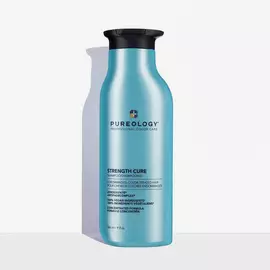
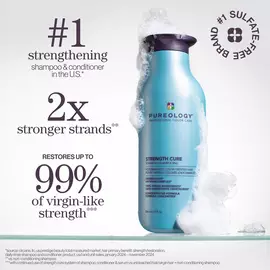
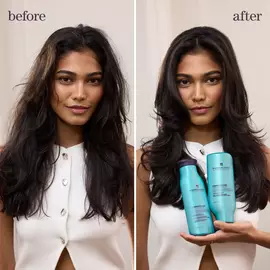
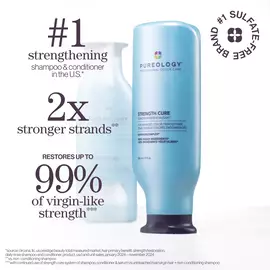
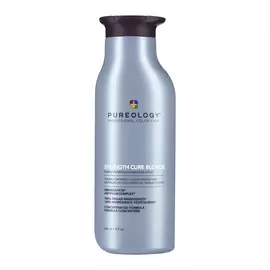
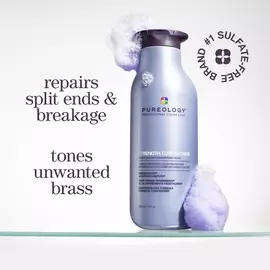
Prevention starts in the shower. If your hair is prone to snapping, you need a system that fortifies the fiber every time you cleanse. We recommend the Pureology Strength Cure System as the gold standard for repairing damaged, color-treated hair. Formulated with our exclusive Antifade Complex®, it protects color vibrancy while actively repairing damage.
The Science of Strength: Our Hero Ingredients
- Keravis: A high-performance strengthening protein complex designed to double the hair’s resistance to tension and mechanical stress.
- Astaxanthin: A potent antioxidant (6,000x more powerful than Vitamin C) that heals sensitized hair fibers and shields them from environmental aggressors.
Step-by-Step Hair Breakage Repair Routine
- Step 1: Cleanse Gently
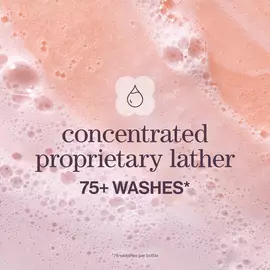
Start with Strength Cure Shampoo. This concentrated, ZeroSulfate® formula cleanses without friction while initiating the healing process for compromised strands. - Step 2: Fortify & Detangle
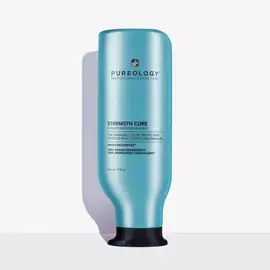
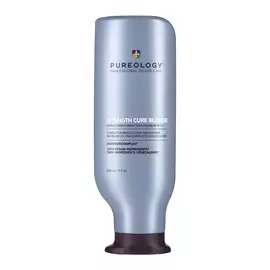
Follow with Strength Cure Conditioner. Apply focusing on the mid-lengths and ends. It instantly detangles to prevent mechanical breakage while infusing hair with light moisture. - Step 3: Intensive Weekly Restoration
Once a week, swap your conditioner for the Strength Cure Treatment Mask (infused with citric acid, lactic acid, and amino acids) to deliver deep repair, up to 72 hours of softness, and instant detangling in just 5 minutes. - Step 4: Protect from Heat
Never blow-dry without a shield. Apply Strength Cure Dream Healer Serum to damp hair before styling. This lightweight serum reduces breakage by 85%*, provides up to 450°F heat protection, and restores up to 99% of virgin-like strength. (Strength Cure Dream Healer Serum vs. non-conditioning shampoo)
The Strength Cure Routine at a Glance
| Step | Product | Category | Primary Benefit |
|---|---|---|---|
| 1. Cleanse | Strength Cure Shampoo | Repairing Wash | Heals strands without stripping color. |
| 2. Condition | Strength Cure Conditioner | Daily Fortifier | Instantly detangles to prevent snapping. |
| 3. Treat | Strength Cure Treatment Mask | Weekly Recovery | Intensive nutrient infusion for deep repair. |
| 4. Repair & Protect | Strength Cure Dream Healer Serum | Thermal Shield | 99% Strength restoration & 450°F protection. |
How to Fix Damaged Hair by Hair Type
A treatment that works for fine, straight hair might be disastrous for thick, coily hair. Here is how to customize your approach:
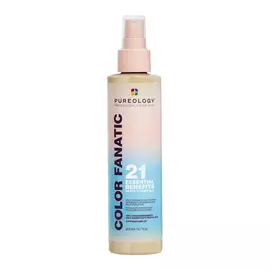
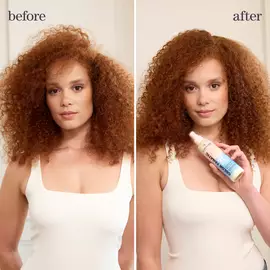
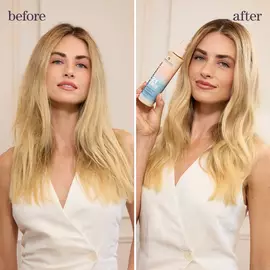
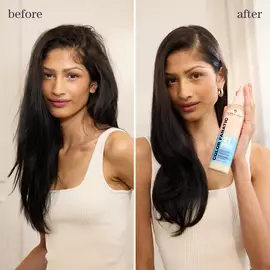
- For Fine and Straight Hair: Fine, straight hair is prone to mechanical breakage because the individual strands are thinner. Focus on lightweight leave-in conditioners and sprays like Color Fanatic Multi-Tasking Leave-In Spray (which offers 21 benefits, including 9x better detangling and 4x stronger strands). Avoid heavy butters like shea butter, and apply product only from the mid-lengths to the ends.
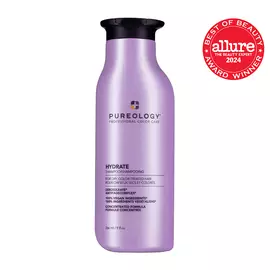
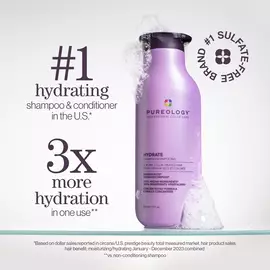
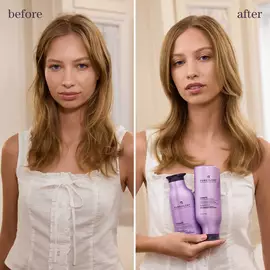
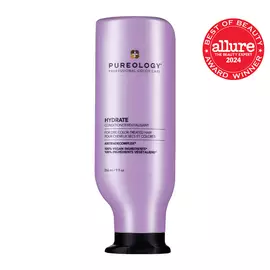
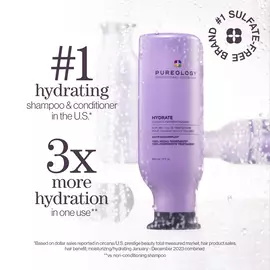
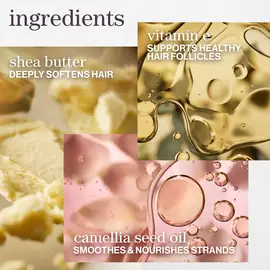
- For Wavy and Curly Hair: Curly hair is naturally drier because sebum struggles to travel down the spiral shaft, and it is structurally weaker at the points where the curl bends. Saturate hair with a rich conditioner like Hydrate Conditioner to deeply soften and nourish normal to thick, dry, color-treated hair before using a wide-tooth comb.
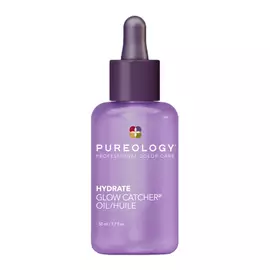
- For Coily Hair: Coily hair is the most fragile texture despite looking thick. The tight zig-zag pattern makes it highly susceptible to mechanical breakage and dryness. Use the LOC or LCO method (Liquid, Oil, Cream) to seal in moisture. The best oil to use as part of this system is Hydrate Glow Catcher Oil to instantly repair rough, dry strands and soften all hair textures.
Tailored Solutions for Specific Damage
- How to Fix Hair Breakage in Dry Hair: Dryness is the biological precursor to structural failure. When hair lacks lipids, it cannot bend under pressure. Integrate the Strength Cure Treatment Mask weekly, using its blend of citric acid, lactic acid, and amino acids to restore elasticity. Expert Tip: Wrap your hair in a warm, damp towel while the mask sits for five minutes to open the cuticle.
- How to Fix Hair Breakage From Split Ends: Split ends are runs in your hair's internal fabric. Reach for Strength Cure Dream Healer Serum to reinforce the cuticle with a liquid bandage effect. Expert Tip: Apply the serum using a pressing motion between your palms rather than rubbing to smooth the cuticle scales down without friction.
- How to Fix Hair Breakage from Heat Styling: High heat causes flash evaporation of internal moisture. Use Strength Cure Dream Healer Serum as your definitive defense for up to 450°F heat protection. Expert Tip: Always ensure your hair is 100% dry before using a flat iron or curling wand to prevent "boiling" the hair shaft.
- How to Fix Hair Breakage in Color-Treated Hair: Breakage occurs when the cuticle isn't properly resealed after chemical services. Use the Strength Cure Shampoo and Conditioner system daily to lock in pigment and reinforce the internal scaffolding with Keravis protein. Expert Tip: Use the treatment mask instead of your conditioner for the first three washes after a salon color service.
Frequently Asked Questions About Hair Breakage
How do you fix hair breakage fast?
To see immediate improvement, switch to a protein-rich system like Strength Cure Shampoo and Conditioner. Follow immediately with Strength Cure Dream Healer Serum to smooth the cuticle. While full repair takes time, you can see improved strength and texture after just one use.
What is the best treatment for hair breakage?
The best treatment combines gentle cleansing with protein fortification. Our Strength Cure system is formulated specifically with Antifade Complex® to repair hair breakage in damaged, color-treated hair.
Can broken hair grow back?
Once hair is broken, the missing piece cannot grow back, but the remaining strand can be saved. By treating the hair with strengthening ingredients like keravis, you prevent further snapping, allowing your hair to grow longer over time.
Is hair breakage the same as hair loss?
No. Hair loss (shedding) happens when the hair falls from the follicle at the root. Hair breakage happens when the shaft snaps due to damage. If you see short, broken pieces rather than full-length strands, you are dealing with breakage.
Note: If you are experiencing sudden, excessive, or patchy shedding, scalp pain, irritation, or noticeable thinning, it’s best to consult a licensed medical provider or dermatologist to help identify the cause and rule out an underlying condition.
What shampoo is best for hair breakage?
You should look for a repair or strengthening formula that is free of sulfates. Strength Cure Shampoo is specifically engineered as a shampoo for hair breakage, rebuilding the internal structure of the hair while protecting professional color.
How long does it take to repair hair breakage?
With consistent use of a strengthening routine, you can see and feel improvement within 2-4 weeks. Full repair depends on the extent of damage and your hair growth cycle.
Can damaged hair ever fully heal?
Technically, no. Hair is dead tissue, so it cannot biologically regenerate like skin can. However, you can repair the appearance and feel of the hair using strengthening and protein treatments that fill in gaps in the cuticle and reinforce the structure. This keeps the hair intact until healthy new growth replaces it.
How often should I use a hair mask for breakage?
For most hair types experiencing breakage, using a hair mask once a week is beneficial. Severely damaged or chemically treated hair may benefit from more frequent use—up to twice weekly—while healthier or fine hair may only require a mask every two weeks to prevent weighing it down.
What deficiency causes hair to break?
A deficiency in essential nutrients like biotin, iron, and vitamin D can lead to hair breakage. Ensuring a balanced diet with these nutrients can help maintain healthy hair.


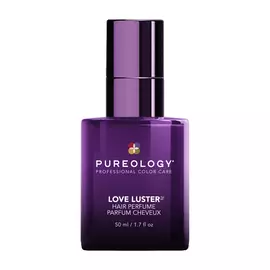
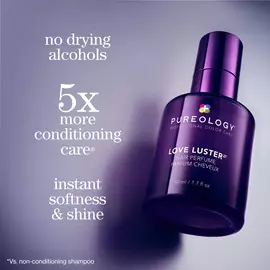

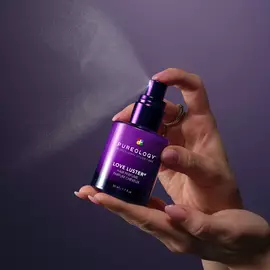
Pureology-2024-Ecom-ATF-Benefit-Hydrate-Oil-2000x2000.webp?sw=270&sfrm=jpg&q=70)
Pureology-2024-Ecom-ATF-Before-After-Hydrate-Oil-2000x2000.webp?sw=270&sfrm=jpg&q=70)
02f5dbd65014a17e2404db3f962f12568d29f3a0.webp?sw=270&sfrm=png&q=70)