Key Takeaways
-
Hair Hydration involves introducing water into the hair shaft using humectant-rich products making hair supple and less prone to breakage.
-
Hair Moisture focuses on sealing that hydration in to prevent water loss, using emollient and occlusive products that form a protective barrier.
-
An effective haircare routine follows a hydration-first, moisture-second approach, starting with hydrating shampoos and conditioners, followed by deep treatments, leave-ins, and finally, sealing with moisturizing serums or oils.
Hydration vs. Moisture: What’s The Difference
Achieving truly healthy, vibrant hair often feels like a quest, and along the way, you might hear terms like "hydration" and "moisture" used interchangeably. But for your hair's sake, understanding the distinct difference between the two is key to giving it exactly what it needs. Let's dive in and demystify these essential hair care concepts.
What Is Hair Hydration?
Think of hydration as quenching your hair's thirst. Hair hydration is the process of introducing water into the hair shaft, making it more supple, flexible, and resilient. When your hair is properly hydrated, it feels softer, looks shinier, and is less prone to breakage.
How to achieve hydration: Hydrating products typically contain ingredients called humectants. These are like magnets for water, actively drawing moisture from the air and into your hair strands. Common humectants include glycerin, hyaluronic acid, and aloe vera.
Signs your hair needs hydration:-
Dryness: Your hair feels parched and stiff.
-
Brittleness: It snaps easily.
-
Straw-life Feeling: Your strands feel rough and lack elasticity.
-
Lack of Shine: Hair appears dull and lifeless.
What Is Hair Moisture?
Once your hair is hydrated, the next crucial step is to keep that water locked in. Hair moisture is about sealing that hydration into the hair to prevent water loss. Without proper moisturizing, the water you've introduced through hydration can quickly evaporate, leaving your hair just as dry as before.
How to achieve moisture: Moisturizing products contain emollients and occlusives that form a protective barrier around the hair shaft. This barrier helps to smooth the cuticle, reduce frizz, and keep the inner layers of the hair full of water. Ingredients like natural oils (jojoba, argan, coconut), butters (shea butter), and silicones are common in moisturizing formulas.
Signs your hair needs moisture:
-
Frizz: Your hair struggles with humidity and poofs up.
-
Rough texture: Even if hydrated, it still feels coarse to the touch.
-
Unmanageability: Your hair is hard to style and control.
-
Dullness (despite hydration): The cuticle isn’t smooth enough to reflect light well.
|
Feature |
Hair Hydration |
Hair Moisture |
|
What is it |
Introduce water into the hair shaft, making hair supple, flexible, and resilient. |
Seal water into the hair shaft to prevent loss, smoothing cuticle, reducing frizz, and keeping inner layers full of water. |
|
Key Ingredients |
Humectants (e.g., glycerin, hyaluronic acid, aloe vera) |
Emollients & Occlusives (e.g., natural oils, butters, silicones) |
|
Signs Needed |
Dryness, brittleness, straw-like feeling, lack of shine |
Frizz, rough texture, unmanageability, dullness (despite hydration) |
Hydration First, Then Moisture
To put it simply, hydration comes first, followed by moisture as the second step to lock in the benefits. You can't effectively moisturize hair that isn't first hydrated, just as you wouldn't moisturize dry skin without first hydrating it. The process is a two-part harmony:
-
Hydrate: Introduce water with humectant-rich products (e.g., Pureology Hydrate Shampoo and Conditioner for intense hydration, or Hydrate Sheer for weightless hydration).
-
Moisturize: Seal water in with emollient-rich products (oils, creams, heavier conditioners) to maintain that hydration.
Your Hydration-First, Moisture-Second Haircare Routine
To effectively address your hair's needs, follow this routine:
-
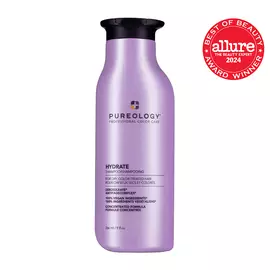
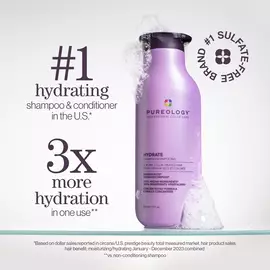
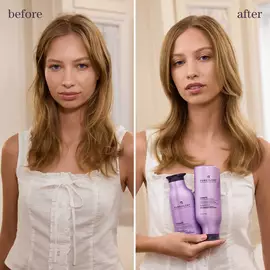
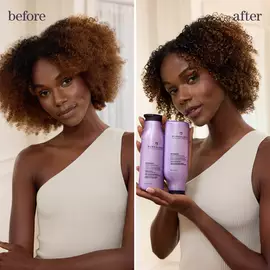
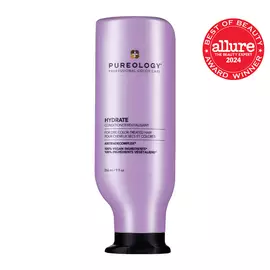
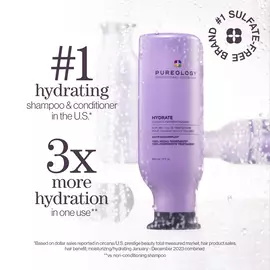
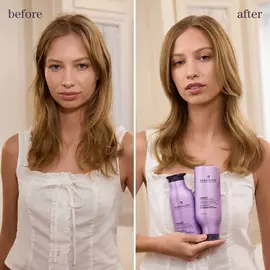
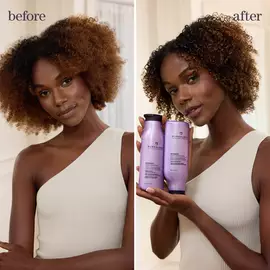
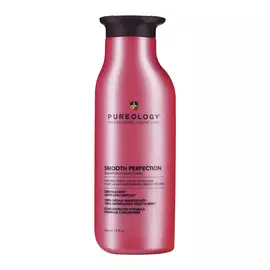
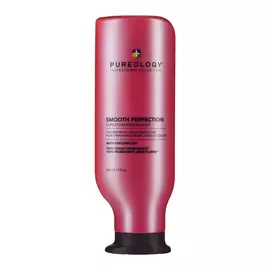
Cleanse & Hydrate (Shampoo & Conditioner): Start with a hydrating shampoo and conditioner. These products are formulated to gently cleanse while infusing water into your strands. Use Pureology Hydrate Shampoo and Conditioner, formulated with an ultra-nourishing formula that shields against damage, seals in vibrant color and smooths even the thirstiest tresses from root to tip.
-
Deep Hydration Treatment (Weekly Mask): Once a week, apply a hydrating hair mask after shampooing. This provides a more concentrated dose of humectants to deeply quench your hair's thirst. A mask for deep hydration is Pureology Hydrate Treatment Mask - nourishing treatment hair mask delivers up to 72 hours of hydration, instantly detangles, softens, and adds hair shine to dry or color-treated hair.
-
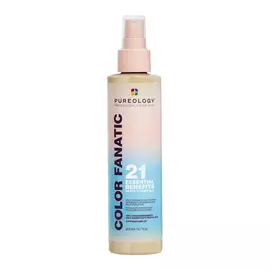
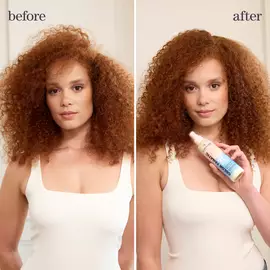
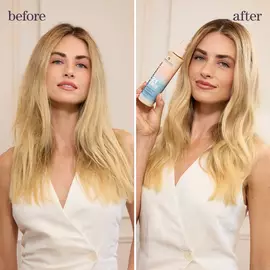
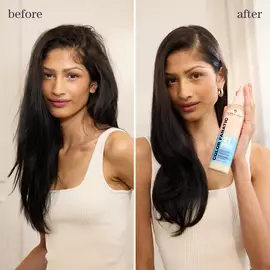
Leave-In Hydration: After rinsing your conditioner or mask, apply a leave-in conditioner or hydrating spray to damp hair. This continues the hydration process before you apply any sealing products. For a hydrating spray use Color Fanatic Multi-Tasking Leave-In Spray with 21 benefits that primes, protects and perfects all hair types.
-
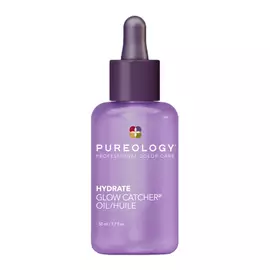
Seal in Moisture (Serum/Oil/Cream): Once your hair has absorbed the hydration, apply a moisturizing serum, oil, or cream. Focus on the mid-lengths and ends, where hair tends to be driest. This step creates a barrier to lock in all that beneficial water. An oil for Hydration is Pureology Hydrate Glow Catcher Oil - weightless hair oil that intensely hydrates, tames frizz, boosts shine.
-
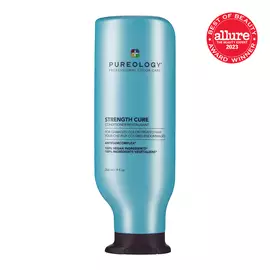
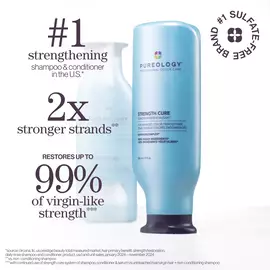
Protect (Styling Products): If you use heat styling, apply a heat protectant. Some styling products also offer additional moisturizing benefits. Pureology Strength Cure Dream Healer Hair Serum strengthens and repairs damaged, color-treated hair while providing up to 450⁰F heat protection.
Understanding both needs leads to healthier, happier hair that looks and feels fantastic!
FAQs
Can my hair be hydrated but not moisturized?
Yes! Your hair can absorb water (be hydrated) but if you don't seal that water in with moisturizing products, it will quickly evaporate, leaving your hair feeling dry and potentially frizzy.
Do I always need both hydration and moisture?
Absolutely. Hydration introduces essential water, and moisture keeps that water locked in for lasting health, shine, and manageability. One without the other is less effective for long-term hair health.
How often should I hydrate and moisturize my hair?
You should hydrate and moisturize with every wash, using appropriate shampoos, conditioners, and leave-in products. A deep hydrating mask once a week is also beneficial for an extra boost.
My hair is oily at the roots but dry at the ends. How do I balance hydration and moisture?
Focus hydrating and moisturizing products on your mid-lengths and ends, which tend to be drier. Use a lighter hydrating shampoo and conditioner and apply sealing oils or creams primarily to the parched areas.


Pureology-2024-Ecom-ATF-Benefit-Hydrate-Oil-2000x2000.webp?sw=270&sfrm=jpg&q=70)
Pureology-2024-Ecom-ATF-Before-After-Hydrate-Oil-2000x2000.webp?sw=270&sfrm=jpg&q=70)
02f5dbd65014a17e2404db3f962f12568d29f3a0.webp?sw=270&sfrm=png&q=70)