Key Takeaways
- Heat damage from styling tools can make hair dry, brittle, frizzy, and prone to breakage by weakening its protein structure and moisture.
- Repairing heat damaged hair involves taking breaks from heat, using deep conditioning and protein treatments, trimming regularly, and applying nourishing oils and gentle products.
- Protect your hair by using heat protectants, limiting heat styling, and practicing gentle hair care habits to maintain softness, shine, and strength.
Understanding Heat Damage
Heat damage occurs when hair is exposed to high temperatures from styling tools such as flat irons, curling irons, and blow dryers. These tools, while great for creating sleek styles or adding curls, can weaken the hair’s natural structure if used excessively or without proper protection.
Preventing heat damage starts with moderation and protection. Reducing how often you use heat tools and keeping their temperature at a safe level can make a big difference. Applying heat protectant products forms a barrier between your hair and the heat, minimizing damage. Equally important is supporting your hair with nourishing, hydrating hair care that rebuilds strength and moisture.
How To Identify Heat Damaged Hair
Recognizing the signs of heat damage early can help you take prompt action to repair your hair and prevent further harm. Here are some common indicators that your hair may be suffering from heat-related damage:
- Dryness and Brittleness: Hair feels dry, rough, and straw-like rather than soft and smooth.
- Dull Appearance: Loss of natural shine and luster, making hair look lifeless or lackluster.
- Increased Frizz: Hair strands become frizzy and unruly, difficult to manage or style.
- Split Ends: The tips of your hair appear frayed or split, which can travel up the hair shaft if untreated.
- Excessive Breakage: Hair breaks or snaps easily when brushed, combed, or styled.
- Loss of Elasticity: Hair stretches less and may break quickly when pulled gently.
- Change in Texture: Hair feels coarse or rough, and may lose its natural bounce or curl pattern.
If you notice several of these signs, your hair may be heat damaged. The good news is that with the right care, including hydration, strengthening treatments, and minimizing heat exposure, you can help your hair recover and restore its healthy feel and appearance.
Effective Ways to Repair Heat Damaged Hair
- Pause Heat Styling: Take a break from using heat styling tools to allow your hair time to recover and prevent further damage.
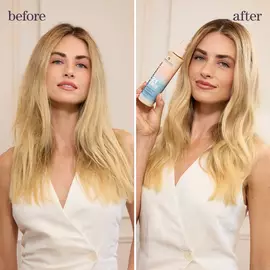
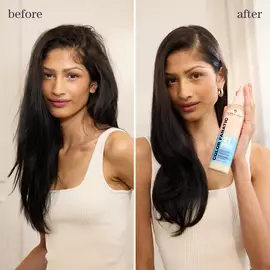
- Use Deep Conditioning and Protein Treatments: Moisturizing treatments such as deep conditioning masks and leave-in conditioners replenish lost hydration. A great deep conditioning mask is Pureology Color Fanatic Multi-Tasking Deep-Conditioning Mask – an intensely moisturizing 21-benefit treatment that restores, protects and perfects all hair types. Protein treatments restore the hair's strength by rebuilding damaged keratin.
- Trim Regularly: Trimming split ends helps stop damage from progressing up the hair shaft, keeping hair looking healthier and stronger.
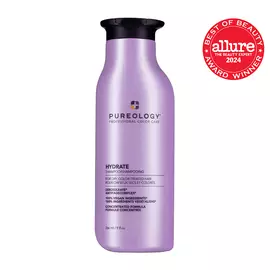
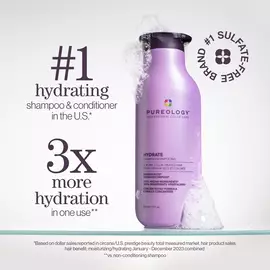
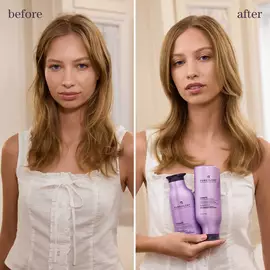
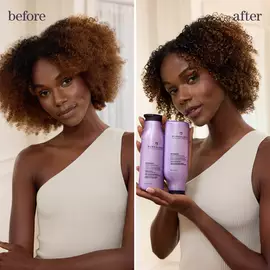
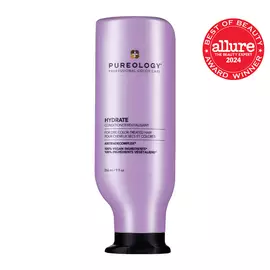
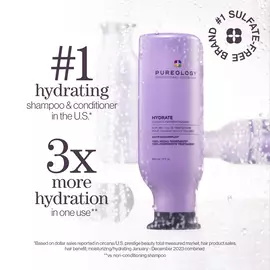
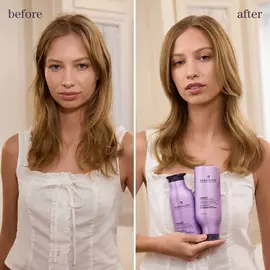
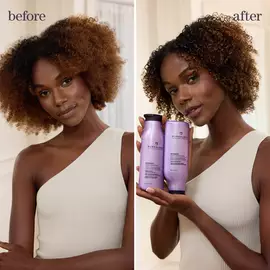
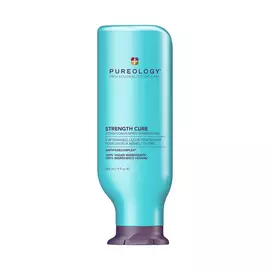
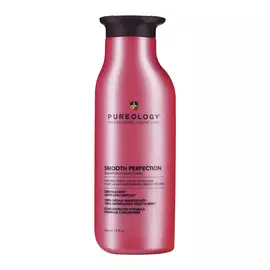
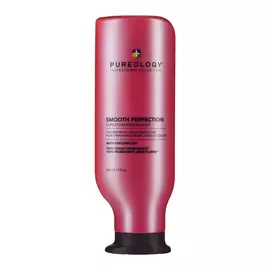
- Opt for Gentle Haircare Products: Switch to shampoos and conditioners that are sulfate-free and formulated to nourish and repair damaged hair, avoiding harsh ingredients that can further dry out strands such as Pureology Hydrate Sheer Shampoo and Conditioner - Lightweight, moisturizing duo that hydrates and nourishes hair without weighing it down.
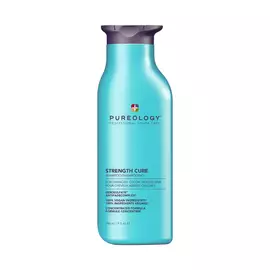
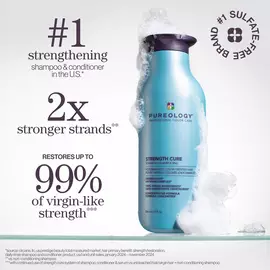
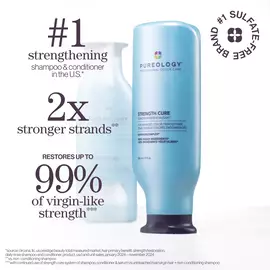
- Apply Natural Oils and Serums: Oils like argan, coconut, or jojoba can add shine, smoothness, and moisture retention. Use these sparingly to avoid weighing hair down. A great serum is Pureology Strength Cure Dream Healer Serum - Lightweight hair serum that strengthens and repairs damaged, color-treated hair, restoring up to 99% virgin-like strength.
- Limit Hair Washing Frequency: Washing hair too frequently strips away natural oils. Aim for washing 2-3 times per week and consider using dry shampoo between washes.
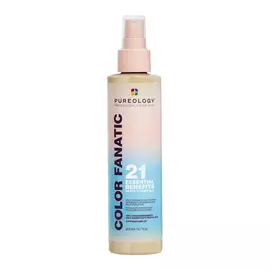
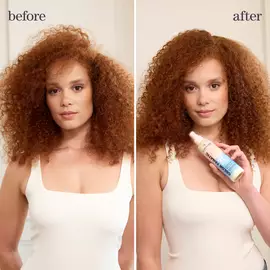
- Protect Hair When Using Heat: Always apply a heat protectant spray or serum before any heat styling such as Pureology’s Color Fanatic Multi-Tasking Leave-In Spray - multi-tasking leave-in spray with 21 benefits that that primes hair for heat, detangles, protects from future damage, and adds shine from root to tip.
- Using Gentle Detangling Techniques: Avoid rough brushing or combing, especially when hair is wet, as this can cause further breakage. Use a wide-tooth comb or a detangling brush and work through knots gently, starting from the ends and moving upward.
Taking care of heat damaged hair is a journey that requires consistent attention and the right techniques. By reducing heat exposure, nourishing your strands with moisture and protein, and protecting your hair from further harm, you can bring back its softness, shine, and strength. Remember, healthy hair reflects overall care and patience. Embrace these habits for long-lasting hair vitality and enjoy beautiful, resilient hair every day.
FAQs
What are some signs of heat damage?
Common signs include dryness, dullness, excessive frizz, rough texture, split ends, and increased hair breakage.
Does diffusing cause heat damage?
Diffusing uses gentler heat compared to direct blow drying, making it less likely to cause damage when used properly. However, prolonged exposure or high heat settings can still lead to heat damage, so use with care.
Does heat protectant damage hair?
Heat protectants are designed to shield hair from heat damage and generally do not harm hair when used correctly. Choosing a quality product and applying it properly helps protect your hair during styling.
How to know if you have heat damaged hair?
Signs of heat damage include dry, brittle strands, lack of shine, rough texture, excessive frizz, split ends, and hair that snaps easily when brushed or styled.
Does blow drying cause heat damage?
Blow drying can cause heat damage if used frequently at high heat settings without protection. Using a heat protectant and keeping the dryer at a moderate temperature reduces the risk.


Pureology-2024-Ecom-ATF-Benefit-Hydrate-Oil-2000x2000.webp?sw=270&sfrm=jpg&q=70)
Pureology-2024-Ecom-ATF-Before-After-Hydrate-Oil-2000x2000.webp?sw=270&sfrm=jpg&q=70)
02f5dbd65014a17e2404db3f962f12568d29f3a0.webp?sw=270&sfrm=png&q=70)